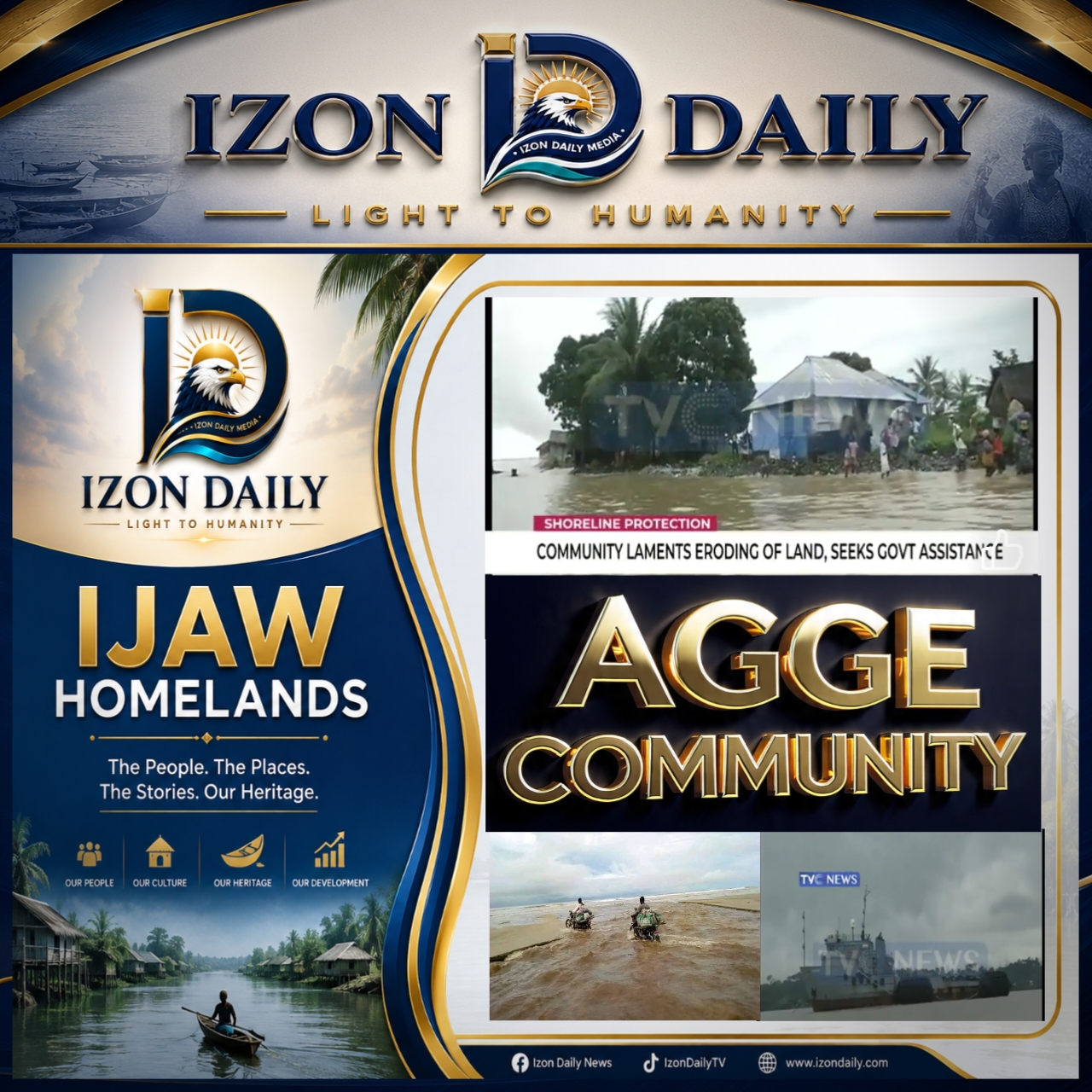
There are places where environmental change can be measured in statistics. In Agge, it can be measured in missing land.
The Atlantic Ocean has become one of the most serious threats facing this Ijaw coastal community. For residents, coastal erosion is not an abstract environmental issue discussed in reports and conferences. It is a physical force that has taken land, altered the settlement and raised questions about whether parts of the community can survive where they have stood for generations.
Agge sits around the Ramos River estuary, where the river empties into the Atlantic Ocean. That geographical position has sustained fishing and commerce for generations, but it has also left the community exposed to tidal forces, waves, ocean surge and shoreline erosion. The result is a community living with an uncomfortable reality. The sea is part of Agge's identity, but it is also threatening its physical existence.
The scale of the problem becomes clearer through the memories of residents. An elderly resident told us that he remembered the shore where he and his parents landed and the ground where he first set foot on Agge soil. That place no longer exists in the same form. He said the community had moved three times to its present location as the ocean continued to encroach.
His testimony is significant because it turns coastal erosion from an environmental statistic into a personal history. A generation can remember a particular piece of land as home, only to watch that land disappear. For younger residents, some of the places they hear about from their parents and elders may exist only in memory. That is what makes the situation in Agge different from ordinary shoreline erosion.
A concerned Agge youth, Comr. Keku Christopher, speaking to 𝘐𝘻𝘰𝘯 𝘋𝘢𝘪𝘭𝘺, said:
"𝘉𝘢𝘤𝘬 𝘵𝘩𝘦𝘯, 𝘸𝘩𝘦𝘯 𝘐 𝘸𝘢𝘴 𝘴𝘵𝘪𝘭𝘭 𝘢 𝘤𝘩𝘪𝘭𝘥 𝘨𝘳𝘰𝘸𝘪𝘯𝘨 𝘶𝘱 𝘢𝘯𝘥 𝘤𝘢𝘱𝘵𝘶𝘳𝘪𝘯𝘨 𝘮𝘦𝘮𝘰𝘳𝘪𝘦𝘴 𝘪𝘯 𝘵𝘩𝘦 𝘦𝘢𝘳𝘭𝘺 𝟤𝟢𝟢𝟢𝘴, 𝘈𝘎𝘎𝘌 𝘊𝘰𝘮𝘮𝘶𝘯𝘪𝘵𝘺 𝘩𝘢𝘥 𝘷𝘢𝘴𝘵 𝘴𝘵𝘳𝘦𝘵𝘤𝘩𝘦𝘴 𝘰𝘧 𝘭𝘢𝘯𝘥, 𝘤𝘰𝘶𝘱𝘭𝘦𝘥 𝘸𝘪𝘵𝘩 𝘩𝘦𝘢𝘱𝘴 𝘰𝘧 𝘴𝘩𝘢𝘳𝘱 𝘴𝘢𝘯𝘥 𝘥𝘳𝘦𝘥𝘨𝘦𝘥 𝘣𝘺 𝘵𝘩𝘦 𝘑𝘶𝘭𝘪𝘶𝘴 𝘉𝘦𝘳𝘨𝘦𝘳 𝘊𝘰𝘮𝘱𝘢𝘯𝘺.
𝘛𝘩𝘦 𝘤𝘰𝘮𝘮𝘶𝘯𝘪𝘵𝘺 𝘩𝘢𝘥 𝘢 𝘷𝘦𝘳𝘺 𝘯𝘢𝘳𝘳𝘰𝘸 𝘤𝘳𝘦𝘦𝘬 𝘤𝘢𝘭𝘭𝘦𝘥 𝘵𝘩𝘦 𝘙𝘢𝘮𝘰𝘴 𝘊𝘳𝘦𝘦𝘬, 𝘸𝘩𝘪𝘤𝘩 𝘧𝘰𝘳𝘮𝘴 𝘱𝘢𝘳𝘵 𝘰𝘧 𝘵𝘩𝘦 𝘣𝘰𝘶𝘯𝘥𝘢𝘳𝘺 𝘣𝘦𝘵𝘸𝘦𝘦𝘯 𝘋𝘦𝘭𝘵𝘢 𝘢𝘯𝘥 𝘉𝘢𝘺𝘦𝘭𝘴𝘢 𝘚𝘵𝘢𝘵𝘦𝘴. 𝘊𝘰𝘮𝘮𝘶𝘯𝘪𝘤𝘢𝘵𝘪𝘰𝘯 𝘢𝘤𝘳𝘰𝘴𝘴 𝘵𝘩𝘦 𝘙𝘢𝘮𝘰𝘴 𝘊𝘳𝘦𝘦𝘬 𝘸𝘢𝘴 𝘷𝘦𝘳𝘺 𝘦𝘢𝘴𝘺. 𝘚𝘰𝘮𝘦𝘰𝘯𝘦 𝘤𝘰𝘶𝘭𝘥 𝘴𝘵𝘢𝘯𝘥 𝘰𝘯 𝘵𝘩𝘦 𝘉𝘢𝘺𝘦𝘭𝘴𝘢 𝘴𝘩𝘰𝘳𝘦𝘭𝘪𝘯𝘦 𝘢𝘯𝘥 𝘤𝘢𝘭𝘭 𝘰𝘶𝘵 𝘵𝘰 𝘢𝘯𝘰𝘵𝘩𝘦𝘳 𝘱𝘦𝘳𝘴𝘰𝘯 𝘰𝘯 𝘵𝘩𝘦 𝘋𝘦𝘭𝘵𝘢 𝘴𝘩𝘰𝘳𝘦𝘭𝘪𝘯𝘦, 𝘢𝘯𝘥 𝘵𝘩𝘦𝘺 𝘸𝘰𝘶𝘭𝘥 𝘩𝘦𝘢𝘳 𝘦𝘢𝘤𝘩 𝘰𝘵𝘩𝘦𝘳 𝘤𝘭𝘦𝘢𝘳𝘭𝘺. 𝘓𝘰𝘤𝘢𝘭 𝘤𝘢𝘯𝘰𝘦𝘴 𝘢𝘯𝘥 𝘴𝘢𝘪𝘭𝘣𝘰𝘢𝘵𝘴 𝘸𝘦𝘳𝘦 𝘤𝘰𝘮𝘮𝘰𝘯𝘭𝘺 𝘶𝘴𝘦𝘥 𝘵𝘰 𝘧𝘢𝘤𝘪𝘭𝘪𝘵𝘢𝘵𝘦 𝘵𝘳𝘢𝘯𝘴𝘱𝘰𝘳𝘵𝘢𝘵𝘪𝘰𝘯 𝘢𝘤𝘳𝘰𝘴𝘴 𝘵𝘩𝘦 𝘤𝘳𝘦𝘦𝘬.
𝘛𝘩𝘦 𝘈𝘵𝘭𝘢𝘯𝘵𝘪𝘤 𝘖𝘤𝘦𝘢𝘯 𝘩𝘢𝘴 𝘤𝘰𝘯𝘵𝘪𝘯𝘶𝘦𝘥 𝘵𝘰 𝘤𝘳𝘦𝘢𝘵𝘦 𝘴𝘵𝘳𝘰𝘯𝘨 𝘴𝘶𝘳𝘨𝘦𝘴 𝘢𝘭𝘰𝘯𝘨 𝘵𝘩𝘦 𝘴𝘩𝘰𝘳𝘦𝘴 𝘰𝘧 𝘵𝘩𝘦 𝘈𝘨𝘨𝘦 𝘤𝘰𝘮𝘮𝘶𝘯𝘪𝘵𝘪𝘦𝘴 𝘪𝘯 𝘣𝘰𝘵𝘩 𝘋𝘦𝘭𝘵𝘢 𝘢𝘯𝘥 𝘉𝘢𝘺𝘦𝘭𝘴𝘢 𝘚𝘵𝘢𝘵𝘦𝘴, 𝘳𝘦𝘴𝘶𝘭𝘵𝘪𝘯𝘨 𝘪𝘯 𝘵𝘩𝘦 𝘭𝘰𝘴𝘴 𝘰𝘧 𝘢𝘣𝘰𝘶𝘵 𝟩𝟢% 𝘰𝘧 𝘰𝘶𝘳 𝘢𝘯𝘤𝘦𝘴𝘵𝘳𝘢𝘭 𝘭𝘢𝘯𝘥.
𝘕𝘪𝘨𝘦𝘳𝘪𝘢𝘯𝘴 𝘮𝘢𝘺 𝘳𝘦𝘤𝘢𝘭𝘭 𝘵𝘩𝘢𝘵 𝘥𝘶𝘳𝘪𝘯𝘨 𝘵𝘩𝘦 𝘧𝘰𝘶𝘯𝘥𝘢𝘵𝘪𝘰𝘯-𝘭𝘢𝘺𝘪𝘯𝘨 𝘤𝘦𝘳𝘦𝘮𝘰𝘯𝘺 𝘰𝘧 𝘵𝘩𝘦 𝘛𝘰𝘯𝘸𝘦𝘪 𝘙𝘦𝘧𝘪𝘯𝘦𝘳𝘺 𝘢𝘵 𝘈𝘨𝘨𝘦 𝘮𝘢𝘪𝘯 𝘵𝘰𝘸𝘯 𝘰𝘯 𝘖𝘤𝘵𝘰𝘣𝘦𝘳 𝟣𝟫, 𝟤𝟢𝟢𝟤, 𝘵𝘩𝘦 𝘤𝘦𝘳𝘦𝘮𝘰𝘯𝘺 𝘵𝘰𝘰𝘬 𝘱𝘭𝘢𝘤𝘦 𝘰𝘯 𝘵𝘰𝘱 𝘰𝘧 𝘵𝘩𝘦 𝘑𝘶𝘭𝘪𝘶𝘴 𝘉𝘦𝘳𝘨𝘦𝘳 𝘥𝘳𝘦𝘥𝘨𝘦𝘥 𝘴𝘢𝘯𝘥 𝘩𝘪𝘭𝘭.
𝘛𝘩𝘰𝘴𝘦 𝘸𝘩𝘰 𝘷𝘪𝘴𝘪𝘵𝘦𝘥 𝘈𝘨𝘨𝘦 𝘢𝘵 𝘵𝘩𝘢𝘵 𝘵𝘪𝘮𝘦 𝘤𝘢𝘯 𝘳𝘦𝘮𝘦𝘮𝘣𝘦𝘳 𝘸𝘩𝘢𝘵 𝘵𝘩𝘦 𝘤𝘰𝘮𝘮𝘶𝘯𝘪𝘵𝘺 𝘭𝘰𝘰𝘬𝘦𝘥 𝘭𝘪𝘬𝘦. 𝘈𝘴 𝘵𝘩𝘦 𝘤𝘶𝘳𝘳𝘦𝘯𝘵 𝘰𝘧 𝘵𝘩𝘦 𝘙𝘪𝘷𝘦𝘳 𝘕𝘪𝘨𝘦𝘳 𝘴𝘵𝘳𝘶𝘨𝘨𝘭𝘦𝘥 𝘵𝘰 𝘮𝘦𝘦𝘵 𝘵𝘩𝘦 𝘈𝘵𝘭𝘢𝘯𝘵𝘪𝘤 𝘖𝘤𝘦𝘢𝘯 𝘵𝘩𝘳𝘰𝘶𝘨𝘩 𝘵𝘩𝘦 𝘙𝘢𝘮𝘰𝘴 𝘊𝘳𝘦𝘦𝘬, 𝘵𝘩𝘦 𝘴𝘩𝘰𝘳𝘦𝘭𝘪𝘯𝘦 𝘣𝘦𝘤𝘢𝘮𝘦 𝘪𝘯𝘤𝘳𝘦𝘢𝘴𝘪𝘯𝘨𝘭𝘺 𝘷𝘶𝘭𝘯𝘦𝘳𝘢𝘣𝘭𝘦 𝘵𝘰 𝘦𝘳𝘰𝘴𝘪𝘰𝘯.
𝘈𝘯𝘺𝘰𝘯𝘦 𝘸𝘩𝘰 𝘷𝘪𝘴𝘪𝘵𝘦𝘥 𝘈𝘨𝘨𝘦 𝘪𝘯 𝟤𝟢𝟢𝟤 𝘢𝘯𝘥 𝘳𝘦𝘵𝘶𝘳𝘯𝘴 𝘵𝘰𝘥𝘢𝘺 𝘮𝘢𝘺 𝘧𝘪𝘯𝘥 𝘪𝘵 𝘥𝘪𝘧𝘧𝘪𝘤𝘶𝘭𝘵 𝘵𝘰 𝘣𝘦𝘭𝘪𝘦𝘷𝘦 𝘵𝘩𝘢𝘵 𝘵𝘩𝘪𝘴 𝘪𝘴 𝘵𝘩𝘦 𝘴𝘢𝘮𝘦 𝘤𝘰𝘮𝘮𝘶𝘯𝘪𝘵𝘺 𝘵𝘩𝘦𝘺 𝘷𝘪𝘴𝘪𝘵𝘦𝘥 𝘺𝘦𝘢𝘳𝘴 𝘢𝘨𝘰. 𝘛𝘩𝘦 𝘰𝘯𝘤𝘦-𝘷𝘪𝘴𝘪𝘣𝘭𝘦 𝘴𝘢𝘯𝘥 𝘩𝘪𝘭𝘭𝘴 𝘢𝘯𝘥 𝘦𝘤𝘰𝘯𝘰𝘮𝘪𝘤 𝘵𝘳𝘦𝘦𝘴, 𝘪𝘯𝘤𝘭𝘶𝘥𝘪𝘯𝘨 𝘮𝘢𝘯𝘨𝘰, 𝘌𝘣𝘦𝘭𝘦𝘣𝘰 𝘢𝘯𝘥 𝘤𝘰𝘤𝘰𝘯𝘶𝘵 𝘵𝘳𝘦𝘦𝘴 𝘢𝘭𝘰𝘯𝘨 𝘵𝘩𝘦 𝘴𝘩𝘰𝘳𝘦𝘭𝘪𝘯𝘦, 𝘩𝘢𝘷𝘦 𝘭𝘢𝘳𝘨𝘦𝘭𝘺 𝘥𝘪𝘴𝘢𝘱𝘱𝘦𝘢𝘳𝘦𝘥 𝘢𝘴 𝘵𝘩𝘦 𝘰𝘤𝘦𝘢𝘯 𝘢𝘯𝘥 𝘳𝘪𝘷𝘦𝘳 𝘤𝘶𝘳𝘳𝘦𝘯𝘵𝘴 𝘤𝘰𝘯𝘵𝘪𝘯𝘶𝘦 𝘵𝘰 𝘦𝘯𝘤𝘳𝘰𝘢𝘤𝘩 𝘰𝘯 𝘵𝘩𝘦 𝘭𝘢𝘯𝘥.
𝘛𝘰𝘥𝘢𝘺, 𝘸𝘪𝘵𝘩𝘰𝘶𝘵 𝘢𝘵 𝘭𝘦𝘢𝘴𝘵 𝘢 𝟣𝟧-𝘩𝘰𝘳𝘴𝘦𝘱𝘰𝘸𝘦𝘳 𝘰𝘶𝘵𝘣𝘰𝘢𝘳𝘥 𝘦𝘯𝘨𝘪𝘯𝘦, 𝘪𝘵 𝘪𝘴 𝘥𝘪𝘧𝘧𝘪𝘤𝘶𝘭𝘵 𝘵𝘰 𝘤𝘳𝘰𝘴𝘴 𝘵𝘩𝘦 𝘙𝘢𝘮𝘰𝘴 𝘊𝘳𝘦𝘦𝘬 𝘸𝘪𝘵𝘩 𝘢 𝘩𝘢𝘯𝘥-𝘱𝘢𝘥𝘥𝘭𝘦𝘥 𝘤𝘢𝘯𝘰𝘦 𝘣𝘦𝘤𝘢𝘶𝘴𝘦 𝘰𝘧 𝘵𝘩𝘦 𝘤𝘳𝘦𝘦𝘬'𝘴 𝘪𝘯𝘤𝘳𝘦𝘢𝘴𝘦𝘥 𝘸𝘪𝘥𝘵𝘩 𝘢𝘯𝘥 𝘴𝘵𝘳𝘰𝘯𝘨𝘦𝘳 𝘤𝘶𝘳𝘳𝘦𝘯𝘵𝘴.
𝘐𝘵 𝘸𝘰𝘶𝘭𝘥 𝘵𝘩𝘦𝘳𝘦𝘧𝘰𝘳𝘦 𝘣𝘦 𝘪𝘯 𝘵𝘩𝘦 𝘣𝘦𝘴𝘵 𝘪𝘯𝘵𝘦𝘳𝘦𝘴𝘵 𝘰𝘧 𝘵𝘩𝘦 𝘱𝘦𝘰𝘱𝘭𝘦 𝘪𝘧 𝘈𝘨𝘨𝘦 𝘊𝘰𝘮𝘮𝘶𝘯𝘪𝘵𝘺 𝘪𝘴 𝘵𝘳𝘦𝘢𝘵𝘦𝘥 𝘢𝘴 𝘢 𝘤𝘰𝘮𝘮𝘶𝘯𝘪𝘵𝘺 𝘰𝘧 𝘤𝘰𝘯𝘤𝘦𝘳𝘯 𝘣𝘺 𝘣𝘰𝘵𝘩 𝘉𝘢𝘺𝘦𝘭𝘴𝘢 𝘢𝘯𝘥 𝘋𝘦𝘭𝘵𝘢 𝘚𝘵𝘢𝘵𝘦𝘴, 𝘸𝘪𝘵𝘩 𝘶𝘳𝘨𝘦𝘯𝘵 𝘴𝘵𝘦𝘱𝘴 𝘵𝘢𝘬𝘦𝘯 𝘵𝘰 𝘳𝘦𝘤𝘰𝘷𝘦𝘳 𝘵𝘩𝘦 𝘭𝘰𝘴𝘵 𝘢𝘯𝘤𝘦𝘴𝘵𝘳𝘢𝘭 𝘭𝘢𝘯𝘥 𝘵𝘩𝘳𝘰𝘶𝘨𝘩 𝘢 𝘱𝘳𝘰𝘱𝘦𝘳𝘭𝘺 𝘱𝘭𝘢𝘯𝘯𝘦𝘥 𝘭𝘢𝘯𝘥 𝘳𝘦𝘤𝘭𝘢𝘮𝘢𝘵𝘪𝘰𝘯 𝘱𝘳𝘰𝘤𝘦𝘴𝘴."
The question is no longer simply how much land is being lost. It is how much of the homeland can remain. When erosion removes land, it does not remove only empty ground. Homes can disappear. Markets can be displaced. Places of worship can become vulnerable. Paths and walkways can be destroyed. Fishing grounds can change. Community institutions can lose the land around them. The emotional effect is equally serious. These are the realities currently being experienced by the people of Agge Community.
The environmental pressure for decades has moved beyond the outer edges of the settlement. The sea is no longer simply a distant threat. It has reached spaces where people sleep, rest, worship, work and conduct their daily lives. For families that have remained in Agge, this creates a difficult choice. Leave and abandon ancestral land, or remain and continue living with the danger. Neither option is easy.
𝗙𝗔𝗠𝗜𝗟𝗜𝗘𝗦 𝗟𝗘𝗔𝗩𝗜𝗡𝗚 𝗧𝗛𝗘𝗜𝗥 𝗛𝗢𝗠𝗘𝗟𝗔𝗡𝗗
The truth is some indigenes have already left areas of their ancestral land because of the danger posed by the advancing water. Some displaced persons have not returned because promised or expected sand-filling and shoreline-protection work remained incomplete.
This creates a second layer of loss. First, people lose land. Then they lose the ability to return to it. A community can survive the loss of a building. It becomes far more difficult when families begin losing the physical spaces that connect them to their ancestral homeland.
𝗧𝗛𝗘 𝗙𝗜𝗚𝗛𝗧 𝗙𝗢𝗥 𝗦𝗛𝗢𝗥𝗘𝗟𝗜𝗡𝗘 𝗣𝗥𝗢𝗧𝗘𝗖𝗧𝗜𝗢𝗡
For years, Agge residents and community leaders have demanded stronger protection against the sea. Their demands have included shoreline protection, sand filling and land reclamation. One of the major projects associated with this struggle is the N4 billion sand-filling and shoreline-protection project linked to the Niger Delta Development Commission. The project was expected to protect the community and create additional land.
But according to Agge's leadership, the project was abandoned after work commenced. The monarch at the time, David Giant Isiaye, Amanayabo II, called on the NDDC to ensure that the contractor, Beks Kemes Nig Ltd, returned to the site and completed the project. The traditional ruler expressed concern that a project originally expected to be completed within a year had remained unfinished for years.
𝗪𝗛𝗬 𝗧𝗛𝗘 𝗣𝗥𝗢𝗝𝗘𝗖𝗧 𝗦𝗧𝗔𝗟𝗟𝗘𝗗
The contractor’s side of the story was also reported at the time. In a report published by 𝘛𝘩𝘦 𝘕𝘢𝘵𝘪𝘰𝘯 on September 11, 2019, Kerry Asari, identified as a media aide to Mr Okoko, said Beks Kemes Nig Ltd was owed money by the Niger Delta Development Commission (NDDC) after mobilising to the site without receiving its mobilisation fee. According to Asari, the financial dispute forced the contractor to demobilise from the site. He said the company would return when funds became available.
This creates an uncomfortable situation for Agge. The community sees an urgent environmental emergency. The contractor points to unpaid obligations. The agency responsible for the project is expected to address the funding problem. Meanwhile, the sea continues to move. For residents, the administrative and contractual dispute does not stop the erosion.
𝗧𝗛𝗘 𝗣𝗥𝗢𝗧𝗘𝗦𝗧 𝗔𝗧 𝗧𝗛𝗘 𝗪𝗔𝗧𝗘𝗥𝗙𝗥𝗢𝗡𝗧
Frustration eventually reached the waterfront. In an earlier protest, Agge residents mobilised under their traditional leadership to demand action over the condition of their homeland. The protesters included youths, women and elderly residents gathered along the waterfront with placards. Their messages included demands for the completion of shoreline protection work and reconstruction of the community.
One of the placards referred to an NDDC shoreline-protection contract that had allegedly been awarded but abandoned since 2010. Another called for the Federal Government to rebuild Agge and compensate residents for losses dating back to 2008.
The protest was significant because it demonstrated that the erosion crisis had become a community-wide concern. It was not limited to fishermen or families living closest to the shoreline. Young people, women and elders all had a stake in the future of the community.
𝗧𝗛𝗘 𝗠𝗜𝗟𝗜𝗧𝗔𝗥𝗬 𝗣𝗥𝗘𝗦𝗘𝗡𝗖𝗘
The waterfront protest also took place against the backdrop of a strong security presence around Agge. Historical reporting documented two Joint Military Task Force houseboats with gunboats stationed nearby. A Nigerian Navy supply ship was also reported around the shores of the community, while crude-bearing barges moved along the Ramos River.
A dredging vessel was also operating in the vicinity. The presence of security and industrial vessels demonstrates the strategic nature of Agge's waterways. But it also creates a striking contrast. The waterways are important enough to attract military, naval and commercial activity, yet the community itself has continued to struggle for basic protection against the sea.
𝗧𝗛𝗘 𝗘𝗖𝗢𝗡𝗢𝗠𝗜𝗖 𝗖𝗢𝗦𝗧 𝗢𝗙 𝗘𝗥𝗢𝗦𝗜𝗢𝗡
The loss of land also means the loss of economic opportunity. Fishing depends on a healthy marine environment. Fish processing requires stable places where people can live and work. Trading requires markets and accessible spaces. When erosion destroys community land, all of these activities become more difficult.
Anslem Megwa, an indigene of Imo State who had been buying fish bladders from Agge for about 20 years, previously described how the business had declined because of the danger posed by erosion and ocean surge. In a report published by The Nation on September 11, 2019, Megwa said he had been buying fish bladder from Agge for the past 20 years and spoke about the danger posed to the business by erosion caused by ocean surge.
His experience shows that the economic consequences of Agge's environmental crisis extend beyond the community's indigenes.
People from outside the community who depend on Agge's fishing economy are also affected.
𝗧𝗛𝗘 𝗠𝗔𝗥𝗜𝗡𝗘 𝗘𝗖𝗢𝗦𝗬𝗦𝗧𝗘𝗠 𝗨𝗡𝗗𝗘𝗥 𝗣𝗥𝗘𝗦𝗦𝗨𝗥𝗘
The environmental challenge facing Agge is not limited to erosion. Community representatives have also raised concerns about pollution and activities in the Agge/Ramos River. Oil-servicing activities have generated frequent spills connected to crude handling have been affecting the marine environment.
These concerns matter because the same ecosystem that supports fishing also supports the wider community economy.
When marine life declines, fishermen lose income. When fish stocks are affected, traders and processors also feel the impact. Environmental degradation therefore becomes an economic problem.
In Part Three, we will train more light on Agge Erosion.
𝘛𝘖 𝘉𝘌 𝘊𝘖𝘕𝘛𝘐𝘕𝘜𝘌𝘋.
©𝗜𝗭𝗢𝗡 𝗗𝗔𝗜𝗟𝗬 𝗠𝗘𝗗𝗜𝗔