

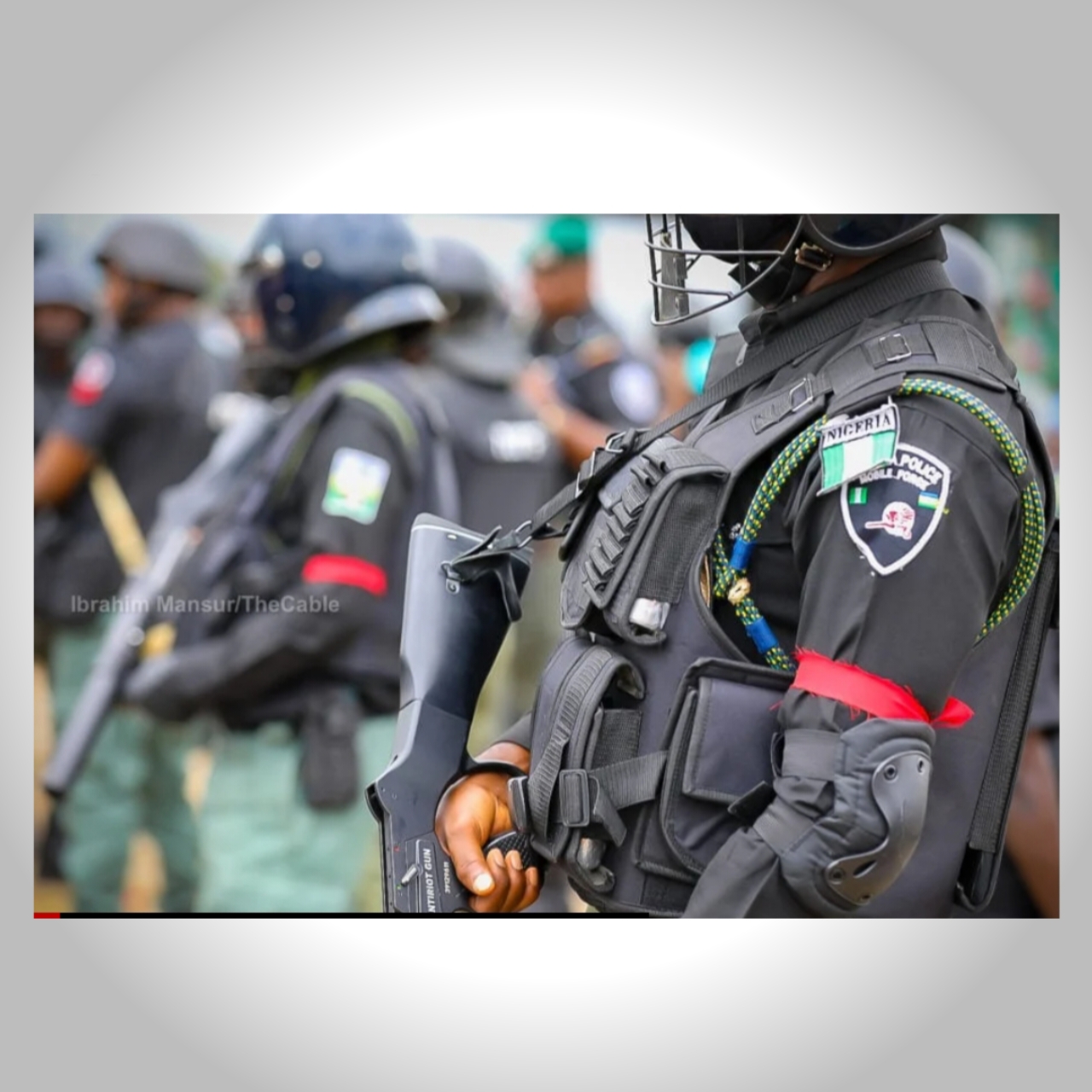
State governments across Nigeria spent an estimated ₦252.26 billion on security-related activities during the first six months of 2026, even as killings, kidnappings and other forms of criminality continued to affect communities across the country.
An analysis of state budget performance data for the first and second quarters of 2026 showed that 31 states recorded security-related expenditure between January and June.
The figures, obtained from Open Nigerian States, a budget data platform backed by BudgIT, covered spending on security equipment, security personnel, security operations, security votes, security ministries and special advisers, as well as security trust funds.
Kogi State recorded the highest expenditure, committing about ₦34.67 billion to security during the period. Plateau State followed with ₦23.69 billion, while Bauchi State spent approximately ₦22.35 billion.
Combined spending among the states covered by the data rose substantially compared with the corresponding period in 2025. Expenditure increased from about ₦75.84 billion to ₦252.26 billion, representing an increase of roughly 232.6 per cent.
The states with recorded security-related expenditure included Abia, Adamawa, Anambra, Bauchi, Bayelsa, Benue, Borno, Cross River, Delta, Ebonyi, Ekiti, Enugu, Gombe, Imo, Jigawa, Kaduna, Kano, Katsina, Kebbi, Kogi, Kwara, Lagos, Nasarawa, Niger, Ogun, Ondo, Oyo, Plateau, Sokoto, Taraba and Zamfara.
However, the report noted that Akwa Ibom, Edo, Osun, Rivers and Yobe did not record expenditure in the listed security categories within the data analysed.
Despite the significant increase in government spending, insecurity remained a major concern during the period.
Data cited in the report indicated that 792 people were killed in 882 security incidents across Nigeria in June alone, highlighting the continuing security challenges facing the country.
Official mid-year operational figures also indicated that the military and other security agencies conducted about 14,000 operations during the first half of 2026, killing 1,597 terrorists and insurgents and rescuing 1,516 kidnapped victims.
The figures have renewed attention on the effectiveness of security spending at the state level and the need to ensure that increased financial commitments translate into stronger protection for communities and residents.