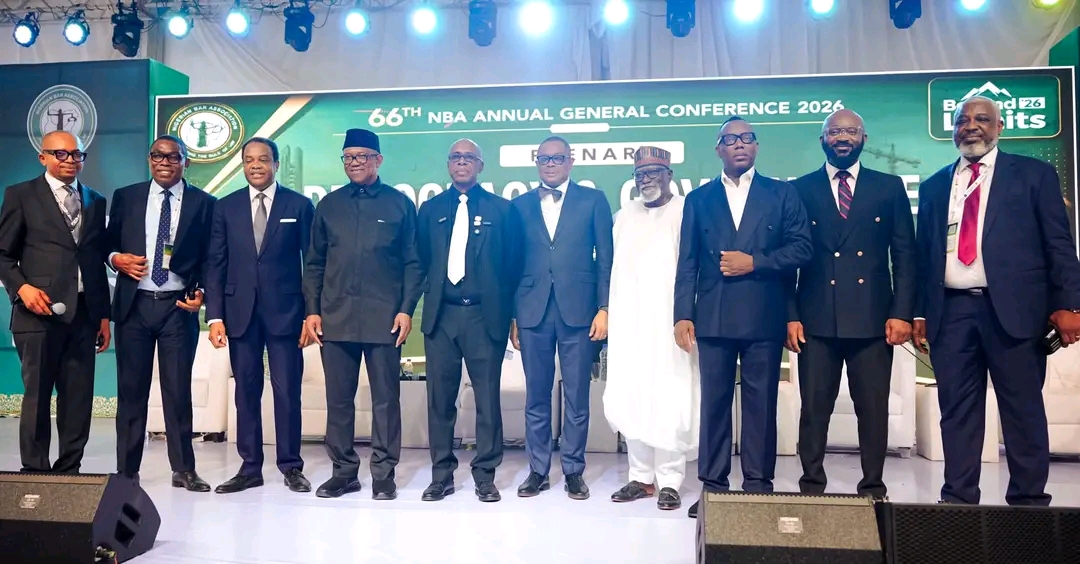
The race for the 2027 presidency took a sharper turn in Port Harcourt on Monday as opposition figures Peter Obi, Rotimi Amaechi, Donald Duke, Omoyele Sowore and Adewale Adebayo presented sharply different solutions to Nigeria's security and economic challenges.
The disagreements emerged during a presidential debate at the Nigerian Bar Association's 66th Annual General Conference, where the candidates addressed insecurity, fuel subsidy, policing, poverty and the performance of previous administrations.
Obi: Fight Poverty to Reduce Insecurity
Peter Obi argued that Nigeria cannot defeat insecurity without confronting poverty, unemployment, corruption and weaknesses in the country's security system.
The former Anambra State governor called for a complete review of the nation's security architecture, with greater emphasis on what he described as a human-security approach.
He said reducing poverty and unemployment would help reduce crime, while stronger intelligence gathering, better coordination among security agencies and improved welfare for security personnel were also necessary.
Obi also advocated increased investment in agriculture and other productive sectors to create employment and move Nigeria away from a consumption-driven economy.
Amaechi: Intelligence and Economic Opportunity Are Key
Rotimi Amaechi disagreed with approaches that focus only on military action, arguing that insecurity is closely linked to economic hardship.
The former Rivers State governor said a government must create an economy in which citizens have legitimate opportunities to earn a living.
He also stressed the importance of intelligence gathering, citing regional cooperation with neighbouring countries as an important tool in identifying and confronting criminal networks.
Amaechi defended his record as governor and minister, pointing to infrastructure projects he said were delivered during his time in government.
He further argued that any opposition coalition ahead of 2027 should be built around performance and the records of those who have previously held public office.
Duke Rejects Nigeria's Subsidy Narrative
Donald Duke took a fundamentally different position on fuel subsidy.
The former Cross River State governor argued that Nigeria should not describe the domestic use of its own crude resources as a subsidy.
Duke maintained that the country's oil wealth should be used to make energy more affordable and improve economic productivity.
He also questioned the transparency of previous crude-for-product swap arrangements and argued that Nigerians should not be forced to pay higher fuel prices simply because the government cannot effectively control cross-border smuggling.
For Duke, affordable and reliable energy should be treated as a central requirement for national productivity.
Sowore Opposes Subsidy Removal
Omoyele Sowore said he would not remove the petrol subsidy if elected, arguing that the policy had ultimately benefited political elites and governors rather than ordinary Nigerians.
He linked insecurity to inequality and unemployment and proposed stronger funding and equipment for security agencies, wider use of technology and drones, and better remuneration for workers.
Sowore also challenged the records of politicians who had previously held public office, arguing that Nigerians should scrutinise their performance before giving them another opportunity to govern.
His remarks triggered a heated exchange with Amaechi over their respective records.
Debate Over State Police
The candidates also differed over how Nigeria should restructure policing.
Adewale Adebayo advocated policing at the federal, state and local government levels, arguing that decentralised policing is more consistent with the principles of federalism.
Amaechi expressed a preference for community policing, arguing that local intelligence is critical to identifying threats before they escalate.
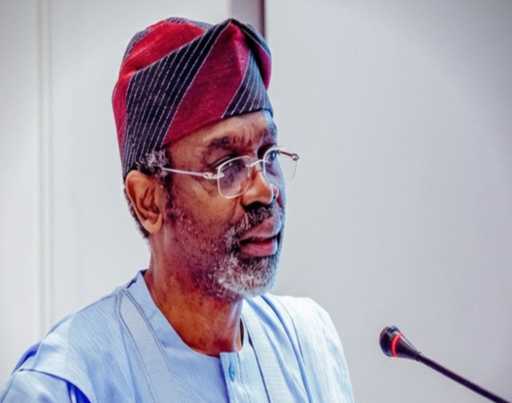
The Federal Government, represented at the conference by Chief of Staff Femi Gbajabiamila, defended the proposed move towards state police.
Gbajabiamila acknowledged concerns about political interference but argued that strong safeguards, professional training and institutional oversight could prevent governors from abusing police powers.
The debate underscored one of the central questions likely to shape the 2027 election: whether Nigeria's security crisis requires a fundamental restructuring of policing and economic policy, or stronger implementation of existing institutions.