
𝗧𝗛𝗘 𝗔𝗗𝗢𝗪𝗘𝗜 𝗙𝗜𝗟𝗘𝗦:
Delta South sits at a crossroads. Oil-blessed riverine communities on one side, oil-rich lands on the other, with plural ethnic interests. Its political space has always been 'liberal' to questions on representation, infrastructural development, green health, human capital empowerment, youth engagement, and the relationship between communities and oil producing companies and government. But how fair and sincere has the South in the Big Heart been in addressing these concerns? A fundamental question every stakeholder and well-meaning member of Delta South should not shy away from answering.
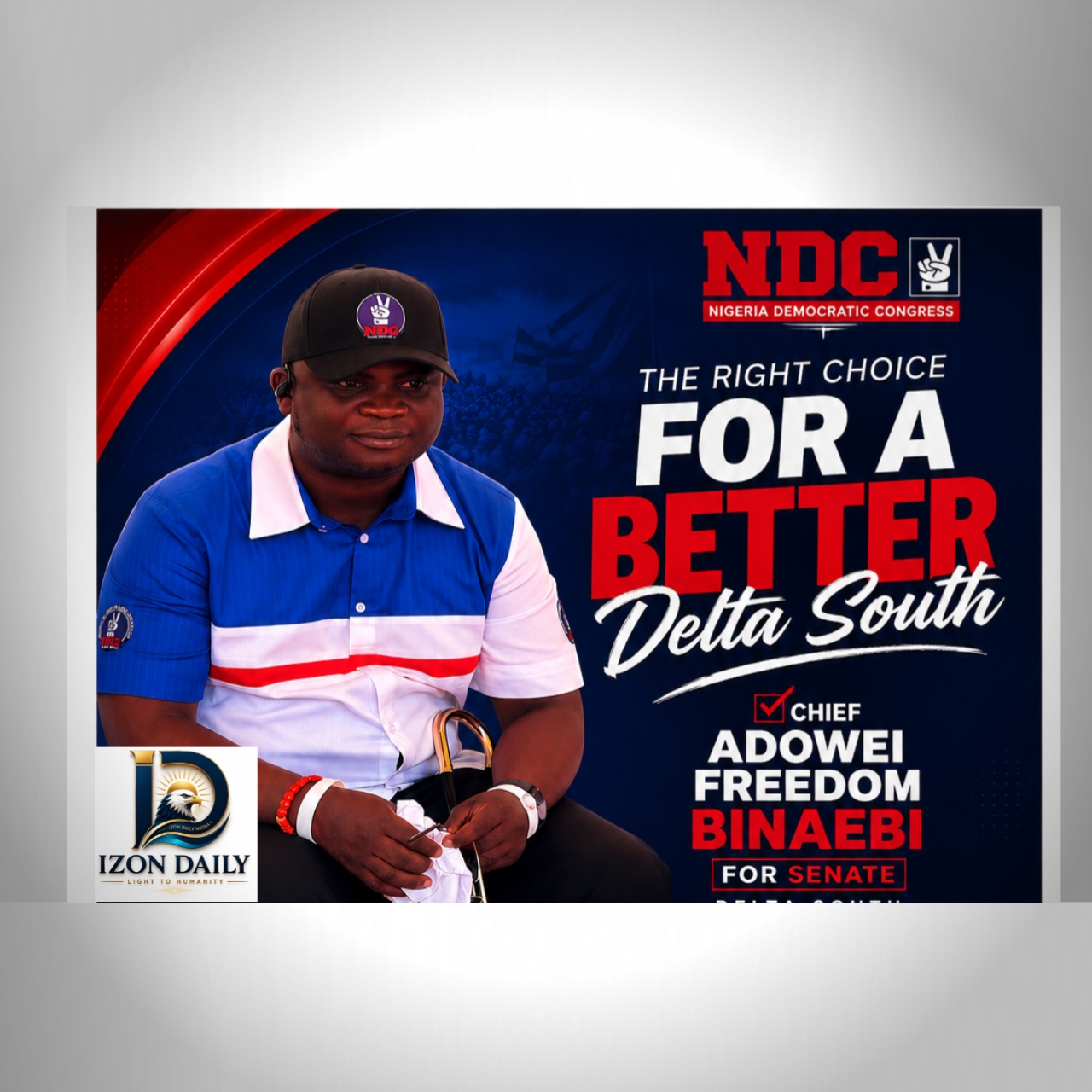
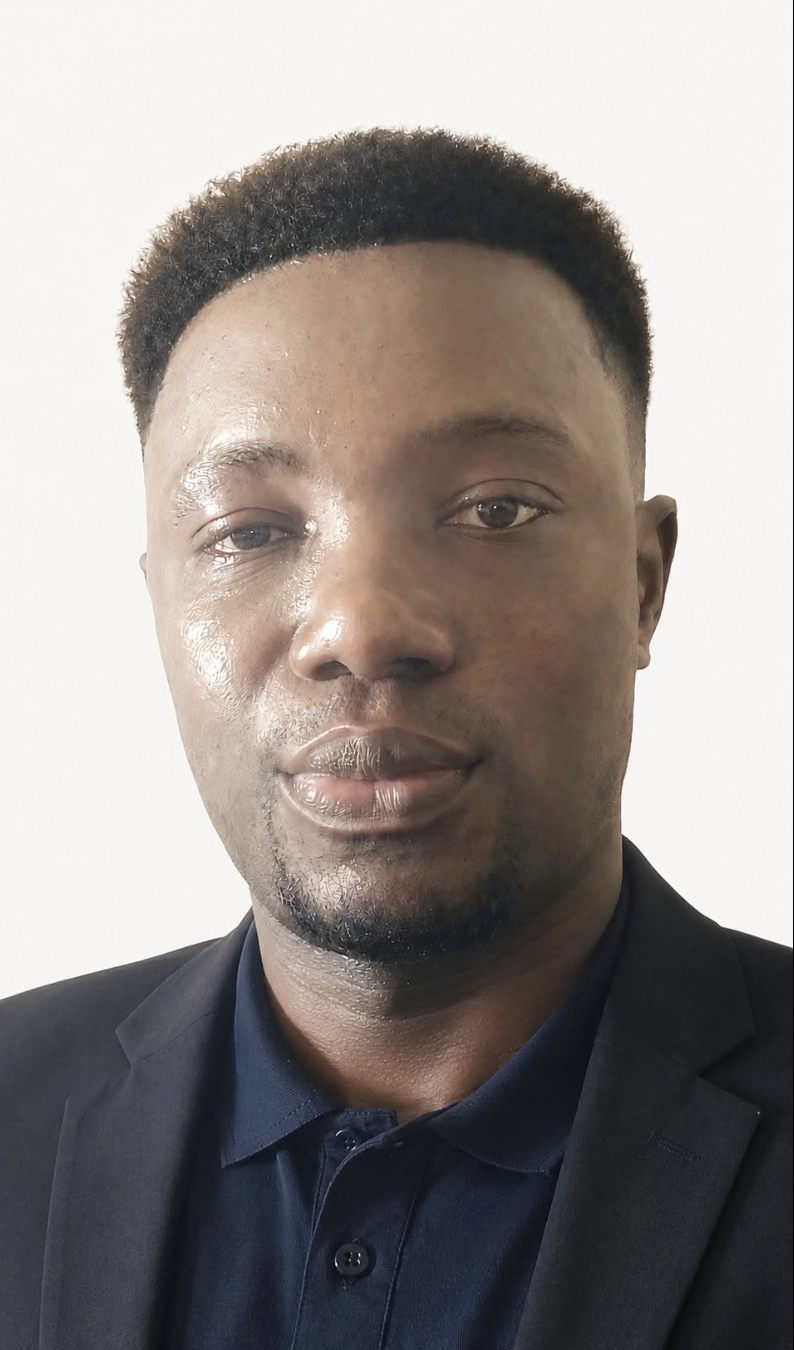
As 2027 approaches, Chief Adowei Freedom Binaebi has entered that conversation as the National Democratic Congress (NDC) candidate for Delta South Senatorial District. He is from Sokebolou Community in Ogulagha Kingdom, Burutu Local Government Area of Delta State. Passion for community service, just, fair, and developed society pushed him to the public arena. He came up as a youth president, then as a grassroots mobilizer, pushing for host-community rights, doing the unglamorous work of community championship. That background gives him something real, a lived connection to problems that have sat unresolved for decades in the South of the Delta.
Delta South needs a man who will not just hold up the microphone to contribute to the conversation, but one whose words are "𝗟𝗲𝘁 𝘁𝗵𝗲𝗿𝗲 𝗯𝗲 𝗹𝗶𝗴𝗵𝘁, 𝗮𝗻𝗱 𝘁𝗵𝗲𝗿𝗲 𝘄𝗮𝘀 𝗹𝗶𝗴𝗵𝘁". Since 1999, three politicians have held this seat. It's now twenty-seven years plus, give or take, of Senatorial representation. So the fair question is: how did the people fare, and how are they faring now, under all that representation? The answer, frankly, should be obvious to anyone who's lived it. To all the political populations and interests that find the answer hurting, this is another season, 2027 is a new opportunity, to change the narrative.
And only a man with a heart as big as Delta's Big Heart can effect the rapid changes we need at this point. Delta South is bigger than any one town, any one river. Bomadi, Burutu, Patani, Isoko North, Isoko South, Warri North, Warri South, Warri South-West. Ijaw, Isoko, Itsekiri, and everyone else who's built a life there. Every candidate faces the same test, whether they admit it or not: can you actually speak for all of it, or just the part you came from?
Adowei's public engagements have leaned towards things that don't stop at ethnic lines. Infrastructure. Host-community rights. Employment opportunities. Environmental justice. Energy. A young person hunting for work doesn't feel unemployment differently because of which LGA issued their birth certificate. Environmental damage doesn't check your ethnicity before it ruins your fishing waters. And a community without functional health facility or roads isn't owed less infrastructure just because it's not on the way to somewhere important. Adowei understands. Freedom is ready to free Delta South from poverty of representation.
𝐖𝐇𝐀𝐓 𝐇𝐄'𝐒 𝐁𝐑𝐈𝐍𝐆𝐈𝐍𝐆 𝐓𝐎 𝐓𝐇𝐄 𝐓𝐀𝐁𝐋𝐄
His supporters across the local governments point to the grassroots record, years of it, particularly around infrastructure, employment, environmental justice, and host-community rights. Fair enough. None of that is abstract here. Oil-producing communities have spent years demanding real attention to infrastructure. Young people are still stuck with the same tired questions about jobs and skills. Delta South communities are still waiting on basic accessibility that other parts of the country take for granted.
Chief Adowei is out to address these plights: push for the establishment of oil and marine related institutions in Delta South; legislate for the infrastructure Delta South has waited decades on; hold federal agencies to account over environmental damage in the oil-producing communities; fight inside budget rooms most voters never see, pushing constituency projects that actually reach all eight LGAs instead of a favoured few. He will sit on committees that quietly decide more than any rally ever will, and use that seat to keep youth empowerment and host-community rights on the table long after election season ends. That's the real bar Chief Adowei Freedom Binaebi has set for himself.
𝐓𝐇𝐄 𝐈𝐉𝐀𝐖 𝐐𝐔𝐄𝐒𝐓𝐈𝐎𝐍
His Ijaw identity is going to come up. No point pretending otherwise. James Manager, also Ijaw, held this seat for years. But Delta South was never an Ijaw-only seat, not really. It's Isoko too. It's Itsekiri too. Different communities, different grievances, different histories that don't always overlap neatly.
So the sharper question isn't where he's from. It's whether he can build something that reaches past it. And anyone who is conversant with his philanthropic crusades online and offline will attest to the fact that Chief Adowei is a detribalized leader, someone who bears every color, shade, shape, and content of Delta South in his humanistic voyage.
For voters, the job is simple to state and hard to do: look past political affiliation, see beyond ethnic divides, and weigh the substance. CHIEF ADOWEI FREEDOM BINAEBI is made of a political substance that represents your interests and aspirations.
A vote for Adowei is a vote for freedom from legislative ineffectiveness.
©𝐓𝐇𝐄 𝐀𝐃𝐎𝐖𝐄𝐈 𝐅𝐈𝐋𝐄𝐒 𝐀𝐔𝐆𝐔𝐒𝐓 𝟐𝟎𝟐𝟔