

The Presidency has announced that public submissions on the proposed National Policing Bill will close by 5pm on Thursday, August 13, 2026, urging Nigerians to submit their views on the planned establishment of state police.
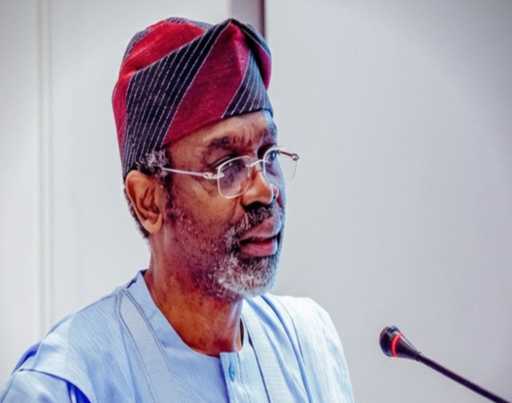
The Chief of Staff to the President and Chairman of the Presidential Working Group on the National Policing Bill, Femi Gbajabiamila, disclosed this on Wednesday, saying the consultation was designed to incorporate the experiences and professional expertise of Nigerians into the proposed legislation. He said submissions would be particularly useful in addressing concerns over political interference, oversight, police misconduct and intelligence-sharing between federal and state police services, noting that the consultation would not replace the role of the National Assembly, which retains power to scrutinise, amend, reject or pass the bill.
Gbajabiamila urged Nigerians to weigh in, particularly on how police services could be shielded from political interference, who should investigate serious misconduct, and how federal and state forces could share intelligence across state boundaries. "For too long, the debate has been framed as a choice between effective local policing and protection from political abuse. Nigeria needs both," he said, adding that policing could be brought closer to the people while building strong national standards, independent oversight and firm safeguards for citizens.
He stressed that any state police framework must contain strong safeguards to prevent governors from deploying the force against political opponents, protesters, journalists, minority communities and other citizens, warning that "proximity does not guarantee justice." He said state police services must operate within lawful authority while remaining subject to the constitution, human rights and the rule of law, with proper recruitment, training, equipment, supervision and credible complaint and oversight mechanisms for citizens.
On process, Gbajabiamila explained that the constitution currently provides for only one police force, the Nigeria Police Force, under Section 214, making constitutional amendment necessary before state police can be established. He said both chambers of the National Assembly had approved proposed constitutional changes providing for a Federal Police Service and State Police Services, but the process remains incomplete, requiring approval by at least 24 of the 36 state Houses of Assembly before presidential assent.
He disclosed that the Presidential Working Group is preparing the National Policing Bill alongside the constitutional amendment process. The bill would establish national standards for recruitment, vetting, training, remuneration, pensions, equipment and professional conduct, as well as rules on use of force, complaints, discipline, independent oversight and inter-agency intelligence sharing.
Gbajabiamila clarified that state police would not be automatically established nationwide even after the constitutional amendment and policing bill become law. "Each state that chooses to establish a service will still need its own enabling law, institutions and funding. It must also meet the national conditions for operation before its officers can begin policing," he said, adding that states not ready to set up their own force would continue to be served by the Nigeria Police Force.
#StatePolice #NationalPolicingBill #FemiGbajabiamila #Presidency #NigeriaPoliceForce #PolicingReform #NigeriaPolitics #ConstitutionAmendment #NationalAssembly #PunchNewspapers