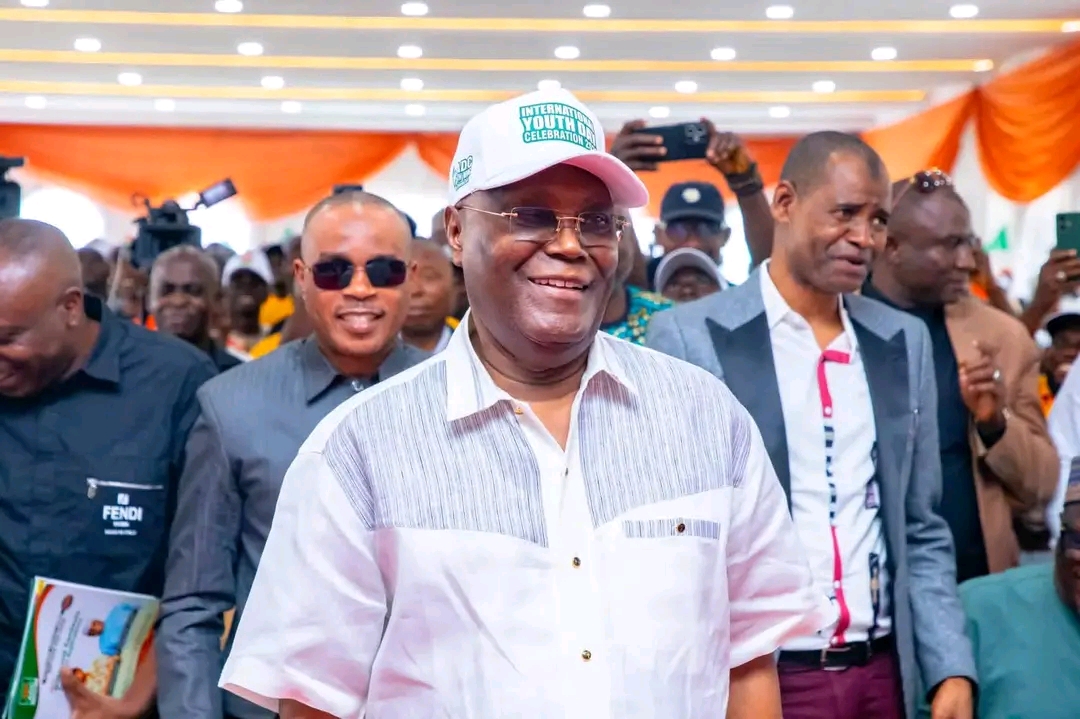

Opposition parties opened negotiations in Abuja on Monday over fielding a single candidate against the ruling All Progressives Congress in 2027, though two of the movement's most prominent figures, Atiku Abubakar and Peter Obi, were absent from the meeting.
The summit, organized by the G-100 pressure group at the Yar'Adua Centre, brought together six parties: the ADC, Allied Peoples Movement, NDC, PDP, PRP, and SDP. Attendees included PRP presidential candidate Donald Duke, SDP's Adewale Adebayo, Democratic Leadership Alliance's Moses Olusoji, and APM vice presidential candidate Lawan Daura.
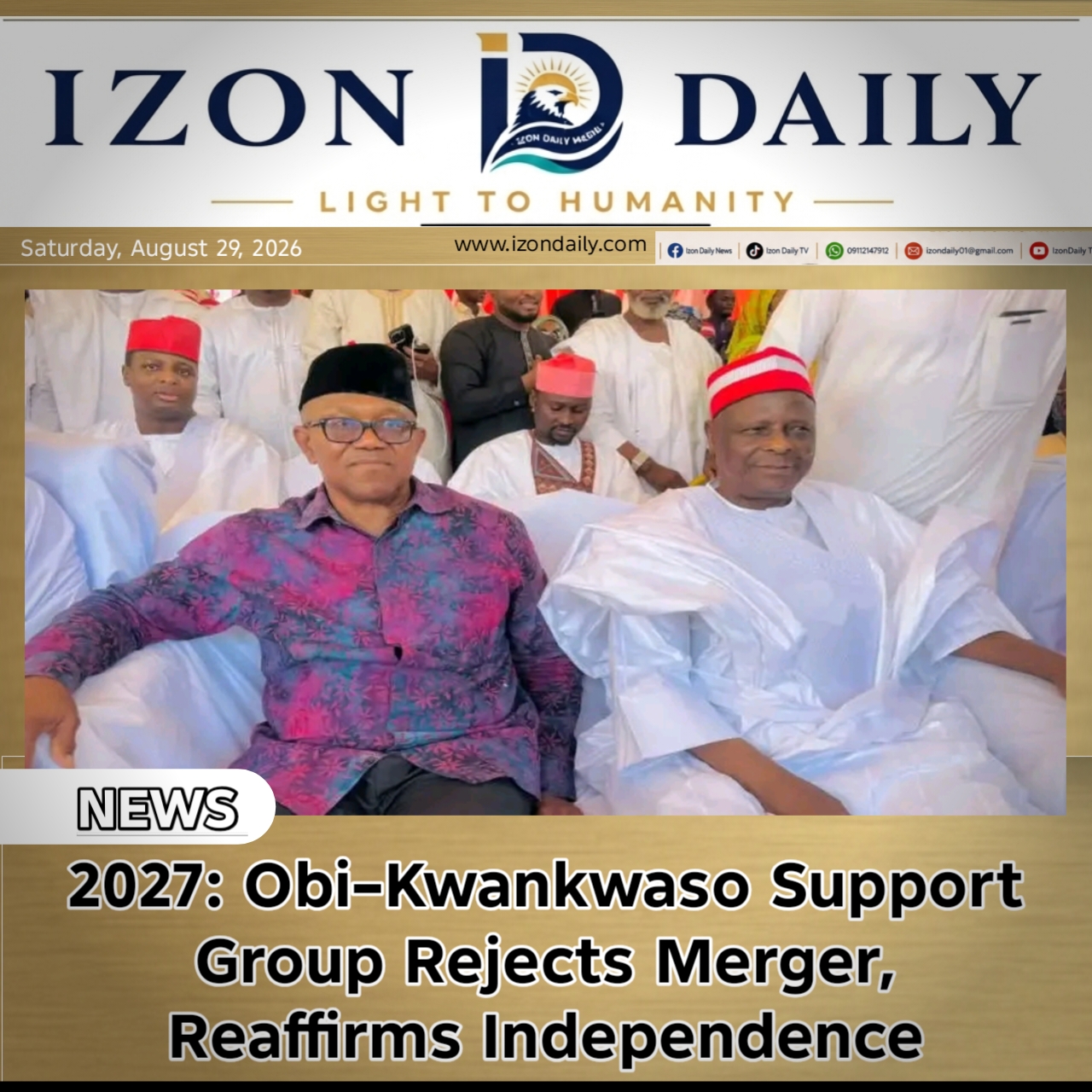
No official explanation was given for the absence of Atiku and Obi, though a source close to the talks said both men were watching from a distance before committing to the process. The source suggested Atiku may be wary that the G-100 initiative launched after parties had already selected their candidates, complicating any push for consensus, while Obi's calculations appear tied to his reported alliance with former Kano governor Rabiu Kwankwaso.
Representatives for both men pushed back on any suggestion of a boycott. A spokesman for the House minority caucus, Afam Ogene, said Monday's gathering was largely procedural, while Atiku's aide, Phrank Shaibu, insisted the former vice president remains committed to building a united opposition capable of challenging the Tinubu administration.
Duke, meanwhile, pledged to back whoever emerges as the opposition's consensus candidate regardless of the outcome.
Opening the summit, G-100 convener Salihu Lukman noted that opposition parties collectively won more votes than the APC in 2023 but lost the presidency because those votes were split among competing candidates. He urged the parties to learn from the 2015 opposition merger that unseated the PDP, stressing that its success came from an agreed process rather than personal alliances among the actors involved.
By the end of the summit, the six parties agreed to establish a structured negotiation framework, including a Central Leadership Committee, a Publicity and Communication Committee, and a Legal Committee. Five working groups were also approved to draft proposals on democratic renewal, a single-term transition charter, national reform, opposition unity, and a roadmap toward a common presidential candidate. The groups have four weeks to report back before a second summit convenes.
The communiqué also included a resolution urging the United States government to lawfully disclose non-exempt official records concerning President Tinubu that are of public interest, tied to ongoing Freedom of Information proceedings in a U.S. federal court. The group said the request does not presume any wrongdoing.
Lukman acknowledged that building consensus would require sacrifice from some of the parties involved, framing unity not as a formality but as a willingness to accept outcomes not everyone wants.
The push for a single opposition candidate comes as parties seek to avoid a repeat of 2023, when a divided opposition vote allowed Tinubu to win with a plurality rather than a majority. Whether the G-100 process can bring Atiku, Obi, and the other contenders to the same table remains its biggest test ahead of 2027.