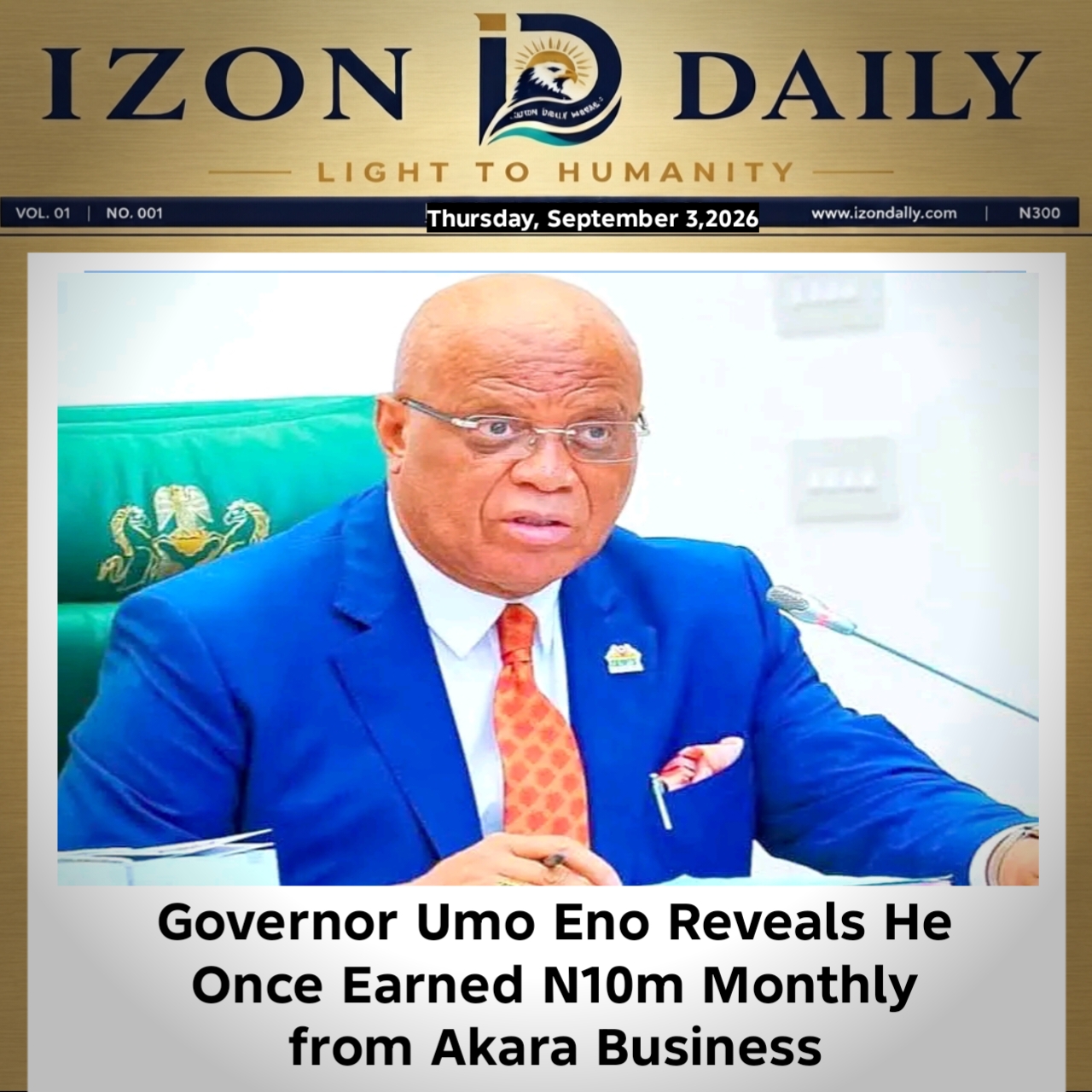
Akwa Ibom State Governor, Pastor Umo Eno, has disclosed that he once earned no less than N10 million monthly from a small akara and bread business he ran before venturing into politics.
The governor made the revelation during the state's monthly covenant prayer service on Tuesday, a comment that began trending online the following day. He explained that the business started small, with him selling akara and bread packaged as an "Akara Burger," before it eventually grew into a coffee shop.
According to Eno, the business thrived largely due to patronage from workers heading to ExxonMobil in the mornings, who would buy the snack alongside coffee before work. He said the shop still exists today and credited the experience with teaching him valuable lessons about entrepreneurship and building a business from modest beginnings.
The governor's comment has drawn renewed attention to small-scale enterprises months after First Lady Oluremi Tinubu sparked national debate by encouraging Nigerians to consider ventures like akara and kuli-kuli as pathways to improving their livelihoods. Speaking at a Renewed Hope Initiative meeting in Abuja in June, the First Lady noted that such businesses required relatively little capital to start and said her office had extended support to traders as grants rather than loans.
Her remarks attracted criticism on social media, with some Nigerians accusing her of being disconnected from the economic hardships facing ordinary citizens. She later clarified that the empowerment initiative was not limited to akara sellers but also extended to traders dealing in tomatoes, roasted plantain, pepper, and vegetables, and went on to announce a N100 million intervention benefiting 2,000 petty traders in Jigawa State, with each receiving N50,000 to recapitalise their businesses.
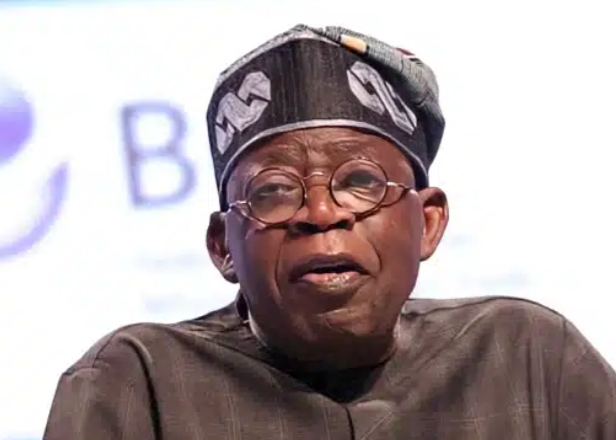
President Bola Tinubu later added a lighter note to the conversation, jokingly referring to his wife as "Iya Alakara" during a Presidential Press Corps Dinner.
Governor Eno's personal account has now added fresh momentum to the broader conversation around the viability of small-scale businesses as a route to sustainable livelihoods in Nigeria.